

Ageing
Healthy ageing is defined as developing and maintaining the functional ability that enables well-being in later years. Functional ability is influenced by the intrinsic capacity of an individual's physical and mental capacities, the environments in which people live–spanning physical, social, health and care, as well as policy dimensions—and the dynamic interaction between these elements.
In the context of the WHO European Region’s extended longevity, acknowledging the diverse capacities and life experiences of older adults, while addressing persistent inequities and advancing equity, tied to socioeconomic status, gender, ethnicity, disability, and other social determinants of health, are paramount to foster healthy ageing. Population ageing brings both challenges and opportunities, demanding enhanced health care, a skilled health and care workforce, age-friendly environments, stronger intergenerational solidarity, and efforts to combat ageism and promote equity across all of society.
Investing in these initiatives unlocks the manifold contributions of older individuals – whether within families; local communities, as volunteers or in other roles; or society at large. Crucially, this should be coupled with ensuring health systems are equipped to meet the needs of rapidly ageing populations, especially in primary care settings encompassing preventive, curative, rehabilitative, assistive, and palliative care, alongside sustainable long-term care, while also adopting a life-course perspective to support healthier future generations of older people.
The population aged 60 and older in the WHO European Region is rapidly growing – from 215 million in 2021 to a projected 247 million by 2030, and over 300 million by 2050. The number of people aged 80 and over – those most likely to need support – is expected to more than double by 2050, placing additional demands on health and care systems.
This demographic shift has far-reaching implications for health-care delivery, workforce planning, housing, urban design, transport and long-term care. Creating age-friendly, inclusive environments and strengthening primary, community-based and long-term care will be essential to ensure that everyone, at all stages of life, can age with dignity, maintain independence and contribute meaningfully to society.
This also calls for investing in prevention and early interventions to build and maintain intrinsic capacity, delay functional decline and reduce the burden of disease, while actively challenging ageism to promote inclusion, equity and intergenerational solidarity.
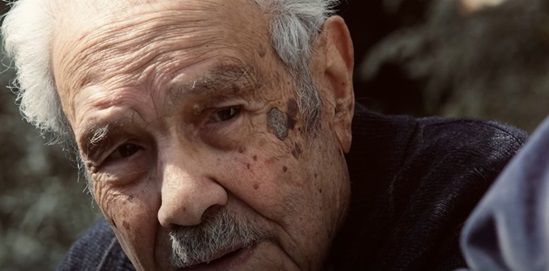
Across the WHO European Region, people are living longer than ever before. This is a major achievement, but longer lives are not always lived in good health. Healthy ageing means developing and maintaining the functional ability that enables people to be and do what matters to them. It depends on people’s intrinsic capacity and on the systems and environments that support them throughout life.
WHO/Europe works with Member States, United Nations agencies, subnational authorities, civil society, older persons, caregivers, researchers, WHO collaborating centres and other partners to support a twin-track approach: improving the lives of older persons today while investing across the life course so that future generations can age in better health.
Guided by the United Nations Decade of Healthy Ageing and by Ageing is Living: A Strategy for Promoting a Lifetime of Health and Well-being in the WHO European Region 2026–2030, WHO/Europe’s response includes:
- strengthening health promotion and disease prevention across the life course, including physical, mental and brain health;
- supporting integrated, person-centred health and care systems, including primary health care, rehabilitation and reablement, long-term care and palliative care, while recognizing and supporting caregivers;
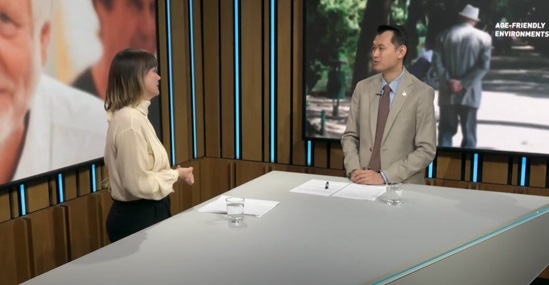
- promoting age-friendly environments that support safe living, mobility, social connection, participation and independence;
- challenging ageism and age-based discrimination, protecting human rights and dignity, and fostering intergenerational solidarity;
- strengthening leadership, workforce capability, cross-sectoral collaboration and investment for healthy ageing; and
- advancing responsible innovation, data and evidence to inform policies, identify inequalities and support implementation.
Meaningful engagement is central to this work. By ensuring that people of all ages – and older persons in particular – help shape the decisions that affect them, WHO/Europe supports more equitable, inclusive and sustainable societies in which everyone can age with dignity and purpose and in good health.