The Right to Protest Under Attack in the United Kingdom
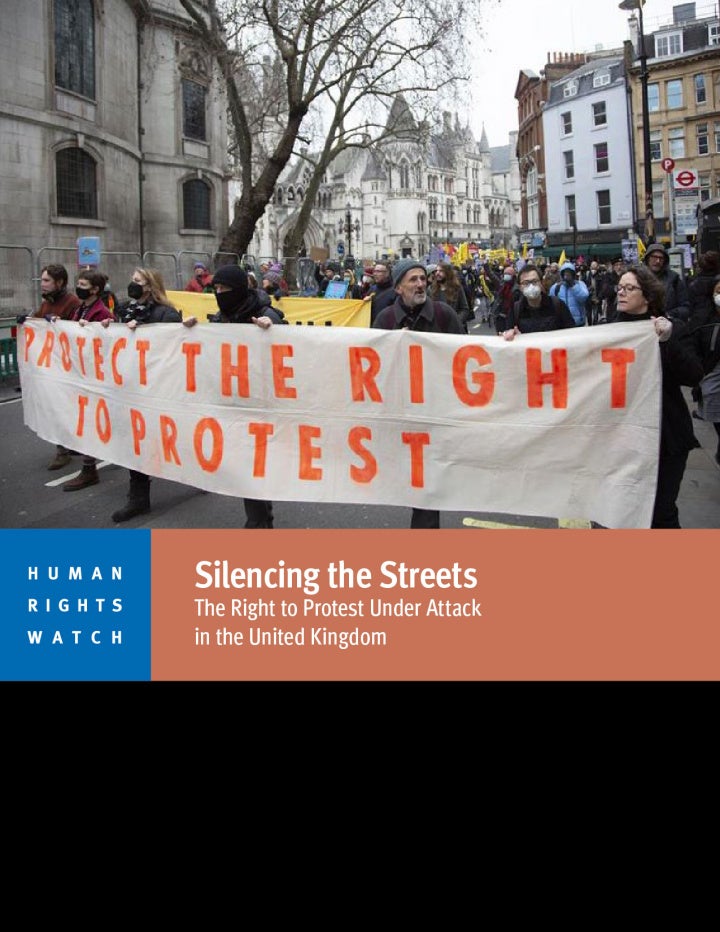
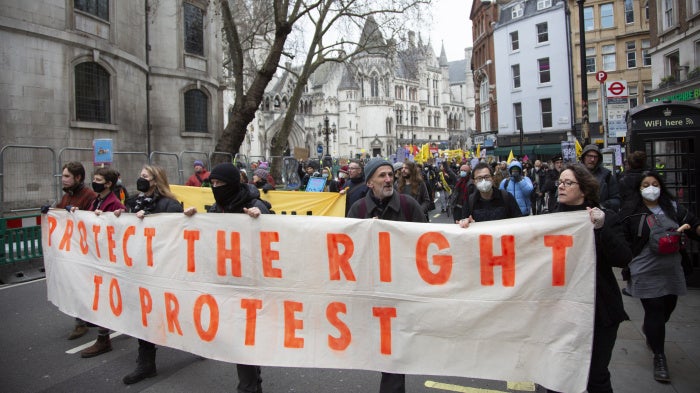
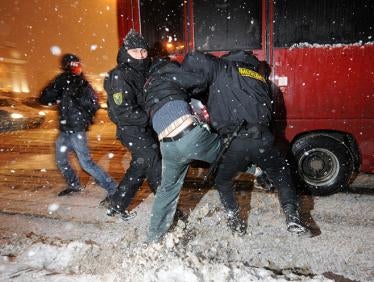
The 47-page report, “‘Silencing the Streets’: The Right to Protest Under Attack in the UK,” documents that the UK’s Labour government has failed to reverse sweeping anti-protest laws introduced by the previous Conservative government. Instead, Labour has attempted to expand them with the Crime and Policing Bill 2025 and through the unprecedented misuse of terrorism legislation to target and criminalize peaceful protest. The Crime and Policing bill, pending before parliament, is to be debated in the House of Lords in January 2026.
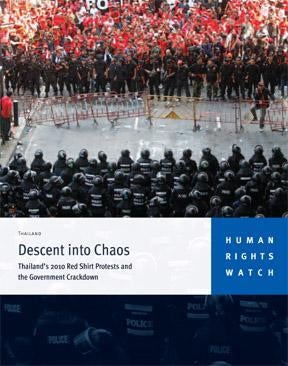
Thailand’s 2010 Red Shirt Protests and the Government Crackdown
This report provides the most detailed account yet of violence and human rights abuses by both sides during and after massive protests in Bangkok and other parts of Thailand in 2010.
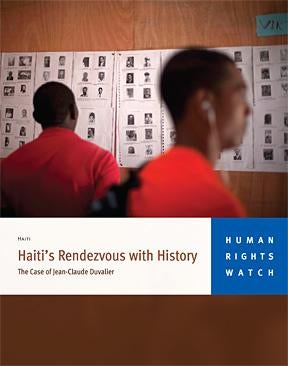
This 47-page report examines the legal and practical questions surrounding the case and concludes that Haiti has an obligation under international law to investigate and prosecute the grave violations of human rights under Duvalier's rule.
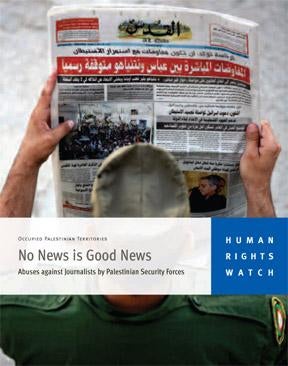
Abuses against Journalists by Palestinian Security Forces
This report documents cases in which security forces tortured, beat, and arbitrarily detained journalists, confiscated their equipment, and barred them from leaving the West Bank and Gaza.
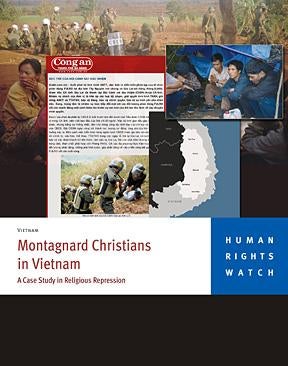
This 46-page report details the latest government crackdowns on these indigenous peoples, known collectively as Montagnards. The report documents police sweeps to root out Montagnards in hiding. It details how the authorities have dissolved house church gatherings, orchestrated coerced renunciations of faith, and sealed off the border to prevent asylum seekers from fleeing to Cambodia.
The 31-page report documents the human rights violations that have occurred since the election – including persecution of opposition candidates and activists, abuse of detainees, trials behind closed doors, and raids on human rights organizations.
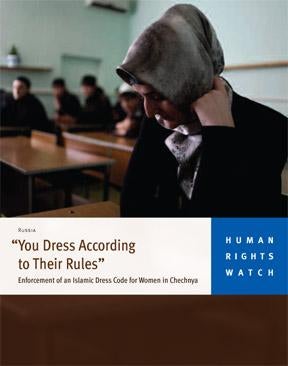
Enforcement of an Islamic Dress Code for Women in Chechnya
This report documents acts of violence, harassment, and threats against women in Chechnya to intimidate them into wearing a headscarf or dressing more “modestly,” in long skirts and sleeves to cover their limbs. The documented attacks by unidentified men believed to be law enforcement officials took place from June through September 2010 in the center of Grozny, the Chechen capital.
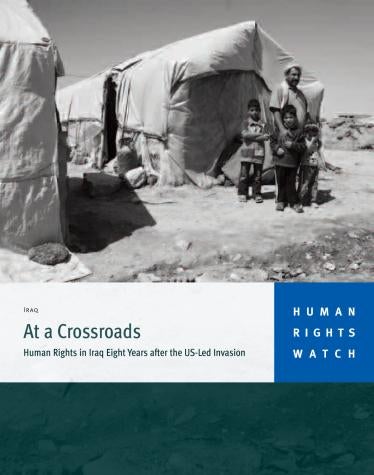
Human Rights in Iraq Eight Years after the US-Led Invasion
This 102-page report calls on the government to protect the rights of vulnerable groups and to amend its penal code and all other laws that discriminate against women and violate freedom of speech. The report also urges Baghdad to open independent and impartial investigations into all allegations of abuse against detainees, minorities, and journalists.
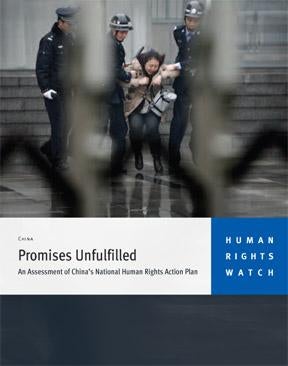
An Assessment of China’s National Human Rights Action Plan
This 67-page report details how despite the Chinese government's progress in protection of some economic and social rights, it has undermined many of the key goals of the National Human Rights Action Plan (NHRAP) by tightening restrictions on rights of expression, association, and assembly over the past two years.
State of Permanent Emergency Incompatible with Free and Fair Vote
This 24-page report documents the vague and subjective criteria in Egypt’s Political Parties Law that allow the government and ruling party to impede formation of new political parties.
This 69-page report documents abuses including torture, arbitrary arrests, banning of opposition activities, and harassment of civil society groups. Human Rights Watch called on the government to end the abuses and to strengthen institutional mechanisms to promote accountability by government officials and security forces.
The Arbitrary Use of Terrorism Laws to Prosecute and Incarcerate Demonstrators in Turkey
This report is based on a review of 50 cases. It describes 26 cases of individuals prosecuted for terrorism simply for taking part in protests deemed by the government to be sympathetic to the outlawed armed Kurdistan Workers’ Party (PKK). Hundreds of Kurdish demonstrators are currently in prison pending the outcome of their trials or appeals against convictions.
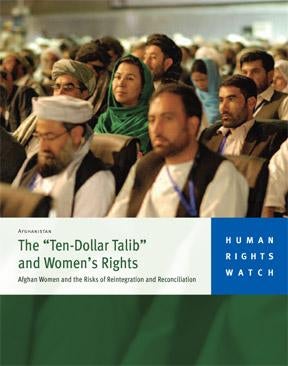
Afghan Women and the Risks of Reintegration and Reconciliation
This 65-page report addresses the potential challenges to women's rights posed by future government agreements with insurgent forces. The report describes how in areas under Taliban control, women are often subjected to threats, intimidation and violence, girls' education is targeted, and women political leaders and activists are attacked and killed with impunity.
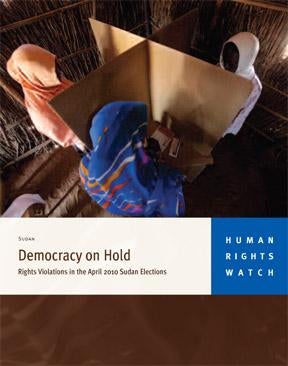
Rights Violations in the April 2010 Sudan Elections
This 32-page report documents numerous rights violations across Sudan by both northern and southern authorities in the period leading up to, during, and following the April elections.
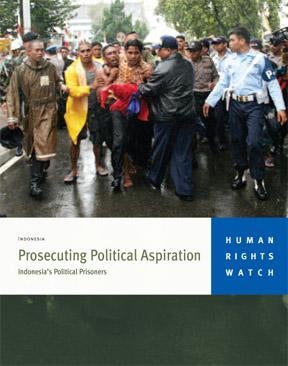
This 43-page report is based on more than 50 jailhouse interviews with political prisoners conducted between December 2008 and May 2010. It describes the arrest and prosecution of activists for peacefully raising banned symbols, such as the Papuan Morning Star and the South Moluccan RMS flags.
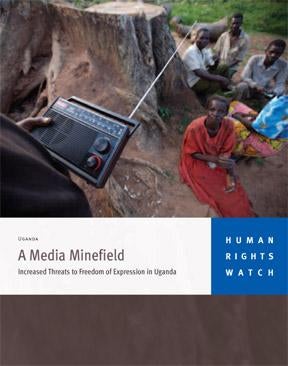
Increased Threats to Freedom of Expression in Uganda
This 60-page report documents multiple recent cases in which Ugandan journalists have faced increasing threats from government officials and NRM party members, intimidation, harassment, and in some instances, government-inspired criminal charges.