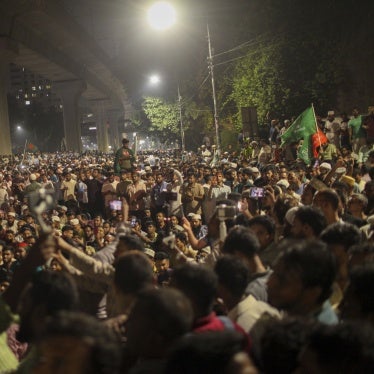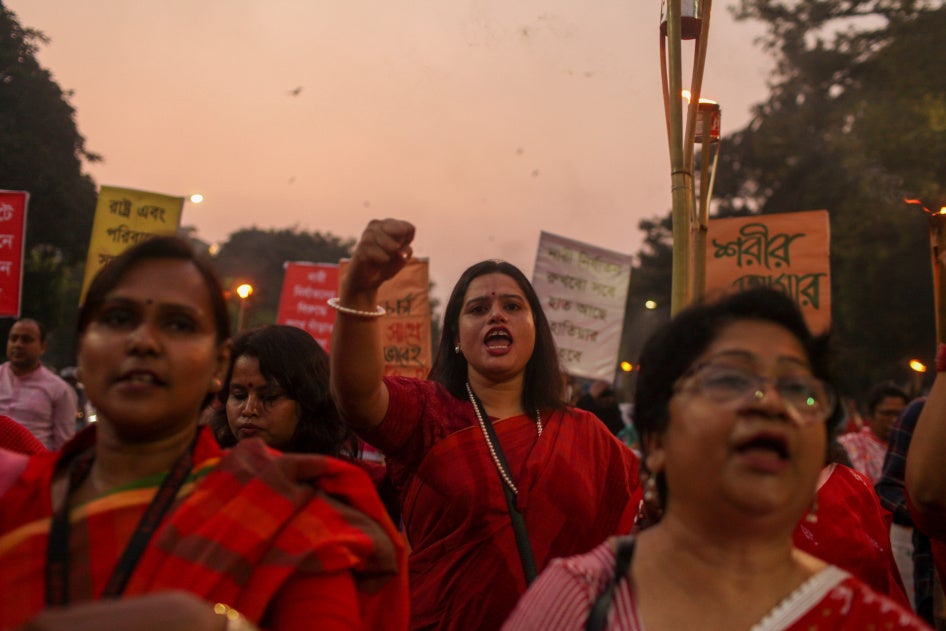
On February 12, Bangladesh is scheduled to hold its first general elections since the country’s August 2024 Monsoon revolution. But ahead of the elections, attacks on women, girls, and religious minorities are on the rise, exposing the interim government’s failure to protect fundamental human rights.
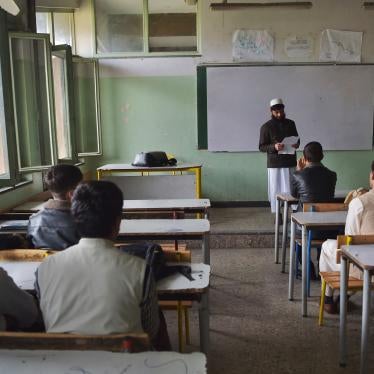
Police data shows that gender-based violence increased between January and June 2025 when compared to the same timeframe in 2024. Dr. Fauzia Moslem, president of the Bangladesh Mahila Parishad (Women’s Council of Bangladesh or BMP), attributes this increase to a rise in activity and rhetoric by religious groups seeking to restrict women’s free movement and participation in society. In May 2025, hardline religious groups protested the interim government’s efforts to improve gender equality and women’s rights and demanded an end to activities they deemed “anti-Islamic.”
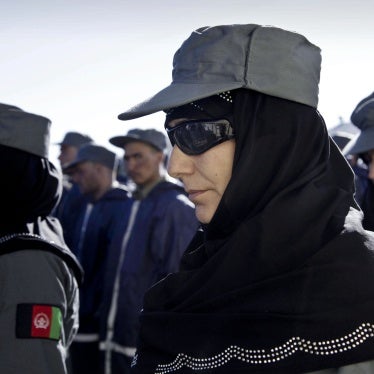
Since then, women and girls have experienced verbal, physical, and digital abuse that further silence their ability to speak out for fear of violence.
Hindu minorities have also been attacked. In December, Dipu Chandra Das, a 27-year-old garment worker, was beaten to death by a mob over alleged blasphemy. Rights groups have reported at least 51 incidents of violence against Hindus, including 10 killings. Ethnic minorities in the Chittagong Hill Tracts continued to face abuse from security forces after the revolution.
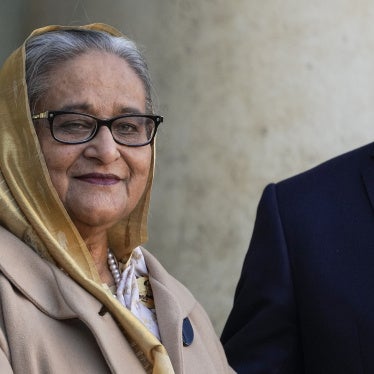
Despite Bangladesh previously having two women prime ministers and many women participating in the 2024 student-led protests, women are still largely denied political participation. In the upcoming general elections, 30 out of the 51 political parties do not have any women candidates. Jamaat-e-Islami, an Islamist political group and one of Bangladesh’s two leading political parties, does not have a single woman candidate among its 276 nominations.
The Bangladeshi government should consider recommendations by the country’s Women’s Affairs Reform Commission including increasing women’s parliamentary representation, adhere to the United Nations Security Council’s Women, Peace, and Security agenda, and comply with its obligations as a state party to the Convention on the Elimination of All Forms of Discrimination against Women (CEDAW) and the International Covenant on Civil and Political Rights (ICCPR). The government should also uphold constitutional provisions to protect religious and ethnic minorities in Bangladesh.
These aren’t innovative proposals; they’re the same ones Bangladeshis have reaffirmed in the lead-up to and after the Monsoon Revolution. Bangladesh’s interim government and all political parties should commit to ensuring gender equality and protecting minority rights.