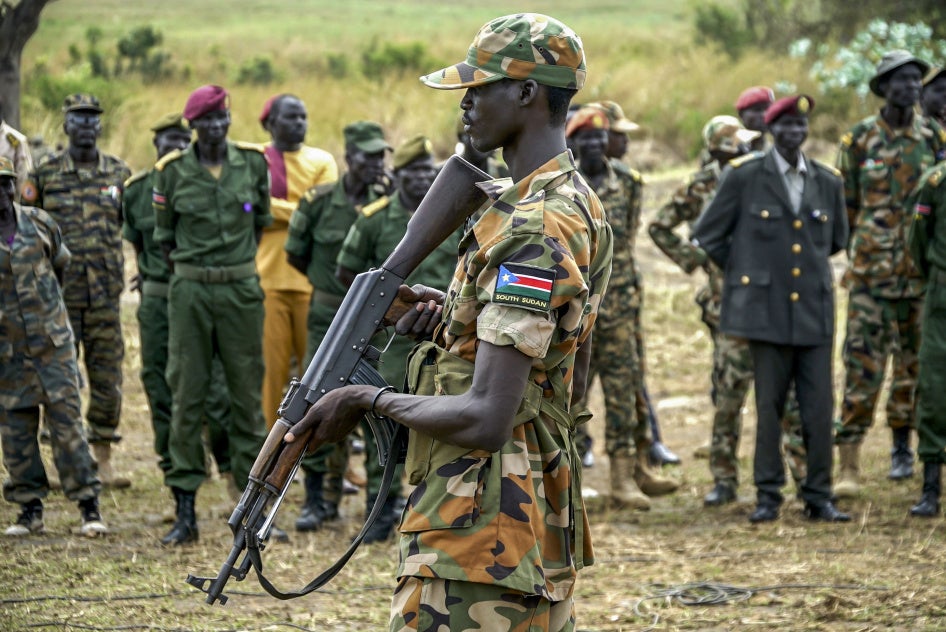
On January 25, South Sudan’s military called on civilians, aid workers, and United Nations personnel to evacuate from opposition-controlled areas in Jonglei state. Key army officials and allied forces have ramped up incendiary rhetoric amid ethnic based mobilization by all sides, elevating the risks of new atrocities.
The army’s evacuation directives came ahead of a new offensive in opposition-controlled areas of Nyirol, Uror and Akobo counties. Fighting between South Sudan’s military, the South Sudan People’s Defence Forces (SSPDF), the Sudan People’s Liberation Army in Opposition (SPLA-IO), and armed youth known as the white army has intensified in northern Jonglei since December 2025, displacing more than 100,000 people.
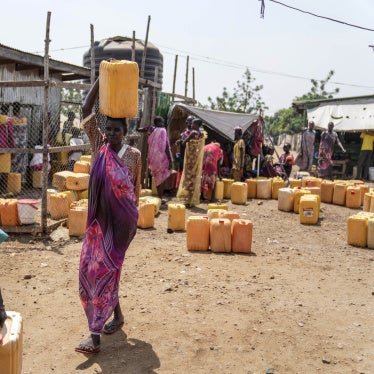
Fighting continues in other regions with civilians bearing intensifying violence, repeated displacement, government aerial bombardments, and severe restrictions on humanitarian access, including a government-imposed no-fly zone in opposition-held areas since January 1.
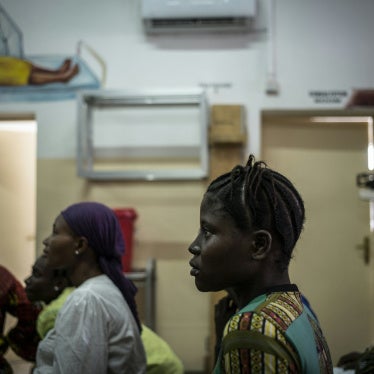
Renewed pressure on aid organizations in a region facing flooding, food insecurity, and limited health access is also threatening lives.
While international humanitarian law requires that parties give civilians effective warnings where possible, such warnings never justify indiscriminate attacks on civilians or unlawful forced displacement.
The directives leave older people, people with disabilities, and anyone unable or unwilling to flee at particular risk. The danger is compounded by rhetoric from senior officials including Gen. Johnson Olony, deputy chief of disarmament and demobilization of the SSPDF and leader of the government-allied Agwelek militia, who on January 24 was reported urging forces to “spare no lives… not even the elderly… not even a chicken.” Such language is an incitement to commit war crimes and echoes past atrocities where older people, and others unable to flee were shot, burned alive, or left to die.
Targeting civilians and wantonly destructing or pillaging civilian property are war crimes, and all superiors and commanders are responsible for preventing and punishing war crimes by subordinates or may be criminally liable for not doing so. While the government has walked back General Olony’s comments, it should ensure credible disciplinary measures.
The UN Mission in South Sudan, under pressure to reduce its presence in the country, should, where feasible, maintain its presence, intensify long distance patrols, and ensure regular public reporting on abuses.
Urgent, coordinated action from regional and international actors is essential to avert yet further abuse and suffering for civilians in South Sudan.