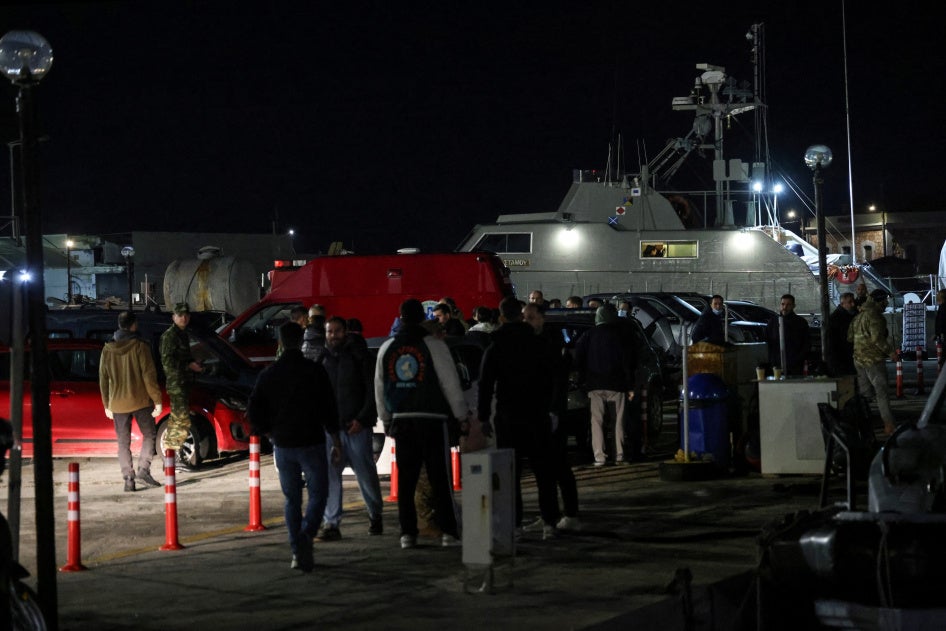
On February 3, a devastating collision between a Greek Coast Guard vessel and a migrant boat occurred off the Greek island of Chios. The collision, which resulted in 15 deaths and 24 people injured, including 11 children, raises serious questions about the actions of the Greek Coast Guard at sea.
Although officials were quick to blame the migrant boat and smugglers for the accident, the disaster fits a broader, well-documented history of reckless behavior by the Greek Coast Guard.
Authorities claim the migrant boat rammed the coast guard vessel, while survivors describe a scene of chaos where the much larger coast guard vessel conducted dangerous maneuvers in the dark of night, with some claiming it passed on top of the migrant boat.
The Greek Coast Guard has repeatedly faced allegations of dangerous conduct at sea and failing to protect life. The Chios disaster echoes the 2023 Pylos shipwreck, where more than 600 people drowned in what survivors described as a towing attempt by the Coast Guard that caused their boat to capsize. By November 2025, criminal charges related to the wreck had been brought against 21 Coast Guard officials.
In 2022, the European Court of Human Rights condemned Greece over the 2014 Farmakonissi shipwreck for failing to protect life during the Coast Guard’s fatal attempt to tow a migrant boat toward Türkiye and for failing to conduct an effective investigation into the resulting deaths of 11 women and children.
The Chios collision also took place amid a smear campaign against migrant rights defenders. On February 5, Greece adopted a law linking humanitarian work with criminal conduct. Government officials portrayed humanitarians as accomplices who encourage perilous journeys and put lives in danger, accusing them of manipulating survivors of the Chios shipwreck to make false allegations against the Coast Guard. United Nations Special Rapporteur Mary Lawlor expressed concern that the law “demonise[s] civil society,” violating Greece’s international obligations.
It is vital that the investigation opened by the Chios prosecutor be thorough, independent, and impartial. While the justice system seeks truth and accountability for this latest tragedy, it is crucial that the Greek authorities address structural problems in the authorities’ response to migrant boats in the Aegean Sea to avoid further loss of life.