The United States Africa Command has recently disclosed a small troop deployment to Nigeria to support the country’s security forces. This announcement follows the establishment of a US-Nigeria working group focused on enhancing security and counterterrorism cooperation.
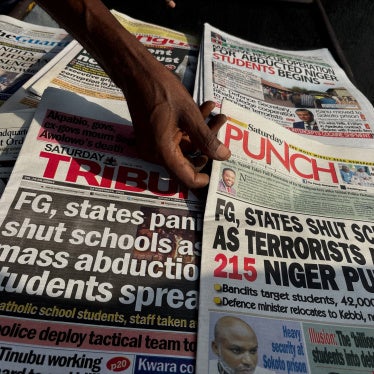
Increased collaboration may be a legitimate way to address escalating violence in Nigeria, including Islamist insurgency and banditry, but transparency and accountability concerns remain paramount. The disclosure, which sparked critical debate in Nigeria, was accompanied by few details about the force’s size, mission, or deployment. Nigerian authorities said that the troops’ activities were limited to intelligence support and training, without further elaboration. Media outlets, citing anonymous US government officials, have since reported that an additional 200 troops will be deployed to provide further support.
The working group was established in response to Nigeria’s designation by the United States as a Country of Particular Concern in 2025 under the International Religious Freedom Act, citing serious violations of religious freedom. While the announcement highlights Christians as a vulnerable group, many other communities across northern Nigeria have also been affected by violent abuses, reflecting the broader and indiscriminate nature of insecurity in the country.
The working group aims to bolster accountability and law enforcement capacity by combating money laundering, disrupting terrorist financing, and improving investigative capabilities.
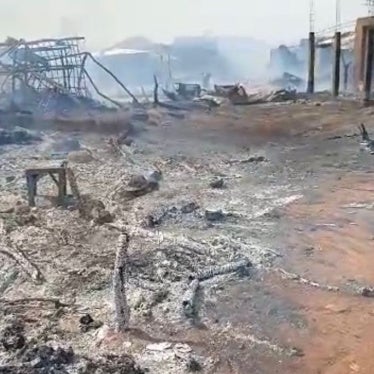
These goals unfold against a troubling backdrop: Nigeria’s security operations have long been marked by abuses, extrajudicial killings, arbitrary detention, enforced disappearances, and unlawful deaths, with airstrikes often killing ordinary people without credible investigations or accountability.
These violations have fueled grievances, eroded public trust, and given rise to concerns about how new security cooperation agreements are being carried out.
Security cooperation between the US and Nigeria should ensure adherence to international human rights and humanitarian law, with safeguards firmly embedded in the working group’s framework, supported by measurable benchmarks and robust oversight to guarantee effective implementation. Transparency, harm prevention, and prompt investigation should be central elements of government policy, alongside public reporting and compensation for victims of any violations by government forces.
The US government should ensure regular reporting to Congress and strict enforcement of the Leahy Laws, which prohibit US military support to forces implicated in gross human rights violations.