Syria is at a pivotal moment. After years of devastating conflict and decades of repression, the country’s transitional phase will determine whether it breaks with entrenched patterns of abuse or merely reproduces them. Decisions taken now about accountability and oversight will shape Syria’s human rights landscape and overall stability for generations.
As the United Nations Human Rights Council considers the future of the Independent International Commission of Inquiry on Syria, it should renew the mandate in full. Syrian authorities should support that move. Doing so would send a clear signal that Syria’s new authorities—and their allies—are serious about justice, transparency, and reform.
Syrian authorities have indicated they would welcome continued support from the Human Rights Council but have not yet formally indicated if they will support the renewal of the commission’s mandate.
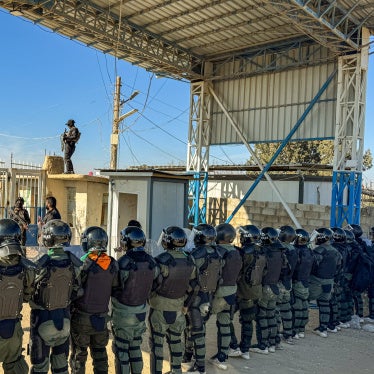
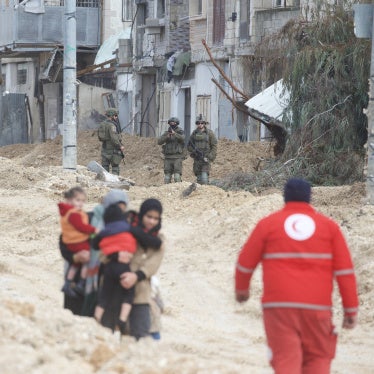
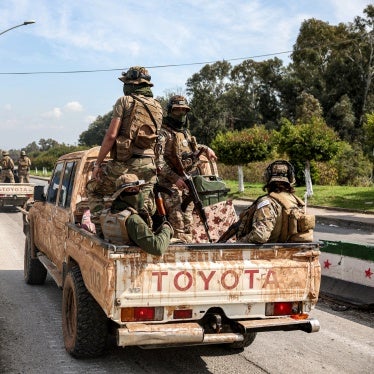
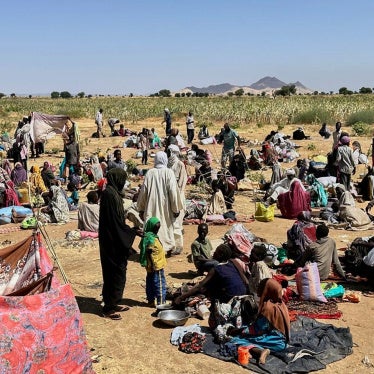
But it remains much needed. Syria remains in a fragile transitional phase and trust in state institutions is far from consolidated among Syrian society. Domestic investigations to date have lacked transparency, particularly regarding command responsibility. Serious abuses have continued, including identity-based killings during military operations in central and coastal Syria, summary killings and mass displacement in Sweida, and renewed northeast fighting.
The commission’s work on rights violations and abuse, supporting truth telling and recommending measures to strengthen human rights protection and advance accountability, remains vital. Its findings have already supported criminal proceedings and informed international courts. Its archives will be a vital resource for transitional justice in Syria itself. At a time when institutional norms are still being set, its continued presence reinforces standards and helps deter further violations.
In Libya and Yemen, when the Human Rights Council reduced its oversight, victims were left with fewer avenues for justice and international attention quickly faded. In Yemen, once scrutiny was weakened, it proved difficult to restore and violations continued.
Many Syrian civil society groups have appealed to the Human Rights Council to fully renew the commission’s mandate. Their joint statement makes clear that independent scrutiny remains essential.
For Syria’s authorities and influential regional actors such as Qatar and Turkey, durable stability is the shared goal. But stability built without trust is fragile. Syrian government support for a renewal of the commission’s full mandate would help reassure all sectors of Syrian society that accountability will not be selective or superficial. Sustaining independent oversight is not an obstacle to Syria’s transition but rather a critical element for its success. The UN Human Rights Council has a responsibility to sustain scrutiny and reporting through the Commission of Inquiry and ensure its work can continue until the national system is ready to take over independent investigations.