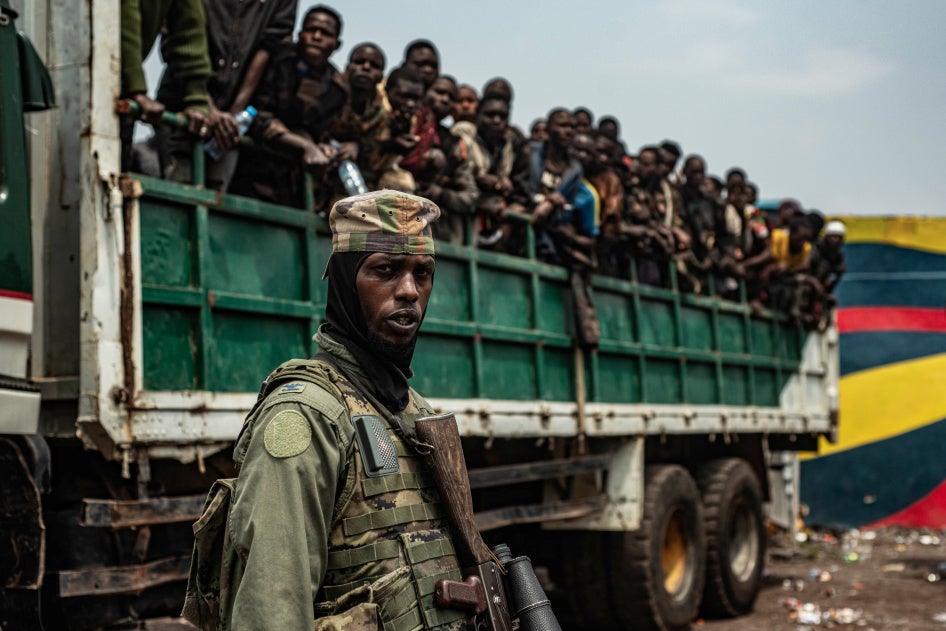
(Nairobi) – Abuses against civilians by government forces and armed groups have become rampant in the conflict in the eastern Democratic Republic of Congo, Human Rights Watch said today in its World Report 2026. The Central African governments of Rwanda, Burundi, Congo, and the Central African Republic have further restricted civil and political rights.
“People in Central African countries have faced increasing risks in the past year, whether under attack or forcibly displaced in eastern Congo, or facing suppression of basic rights elsewhere in the region,” said Lewis Mudge, Central Africa director at Human Rights Watch. “Regional and international bodies need to push Central African governments to protect civilians and uphold democratic space.”
In the 529-page World Report 2026, its 36th edition, Human Rights Watch reviews human rights practices in more than 100 countries. In his introductory essay, Executive Director Philippe Bolopion writes that breaking the authoritarian wave sweeping the world is the challenge of a generation. With the human rights system under unprecedented threat from the Trump administration and other global powers, Bolopion calls on rights-respecting democracies and civil society to build a strategic alliance to defend fundamental freedoms.
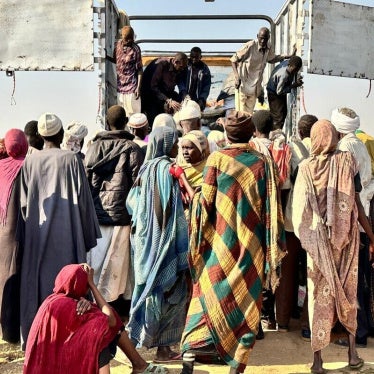
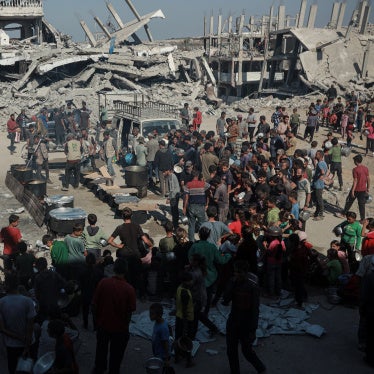
- The conflict between the Rwandan-backed M23 armed group and Congolese armed forces has resulted in further atrocities in eastern Congo. The M23 has committed numerous war crimes, including killings and sexual violence. The Congolese army and its Wazalendo allies, as well as other armed groups, have also carried out war crimes.
- Abuses marred the lead-up to local and legislative elections in Burundi and presidential elections in the Central African Republic. Opposition candidates in both countries were prevented from running, and voters in Burundi were intimidated and pressured at the polls.
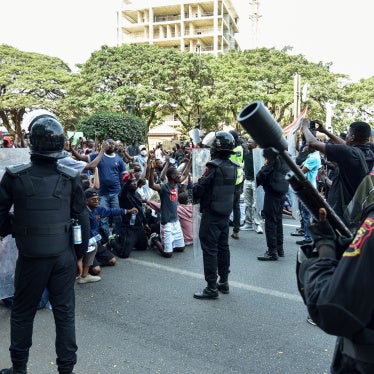
- Authorities in all four countries cracked down on the media, free speech, and the right to peaceful assembly. In Congo, both the authorities and the M23 targeted journalists, critics, and activists. A military court sentenced former President Joseph Kabila to death in absentia on politically motivated charges. In Rwanda, the opposition leader Victoire Ingabire was rearrested in connection with an ongoing trial of members of her party.
- International justice mechanisms made significant progress in Central African cases in 2025. The International Criminal Court convicted two anti-balaka militia leaders for war crimes and crimes against humanity in the Central African Republic. Roger Lumbala, a former Congolese rebel leader and minister charged with crimes against humanity for crimes committed in Congo, is on trial in France.
Central African governments should uphold the rule of law and respect fundamental freedoms, including during armed conflicts, Human Rights Watch said. Concerted international pressure is needed to ensure that governments protect their populations and uphold their obligations under international law, including by holding those responsible for grave crimes accountable.